May 11, 2026
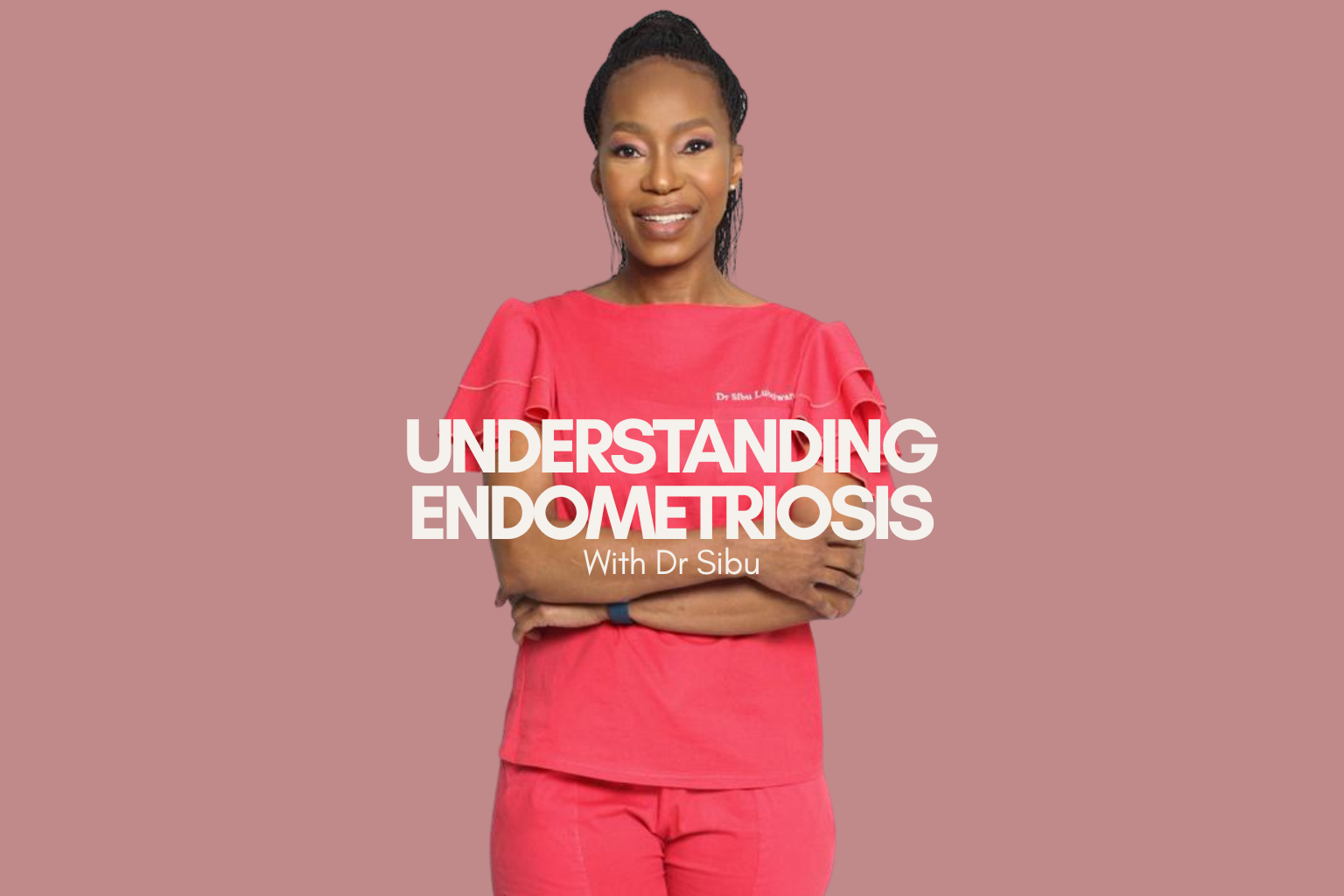
On 7 May 2026, Own Your Hormones hosted its first webinar of the year on Understanding endometriosis. We were joined by Dr Sibu Lubelwana, an Obstetrician and Gynaecologist with over 15 years of experience in women’s health care, specialising in the diagnosis and management of endometriosis.
Here is what stayed with us.
Endometriosis does not stay at home. It sits in meetings, misses deadlines, and quietly affects the performance and wellbeing of women who have never been given a diagnosis or an explanation. One in ten women has it. Most wait years before anyone takes them seriously.
Endometriosis is not just period pain
One of the most important things Dr Sibu said was this: if your period pain affects your life choices, it is affecting your quality of life, and that is not something you should have to accept. Debilitating pain that keeps you from doing the things you normally do is not normal menstrual discomfort. It is a signal worth taking seriously.
Endometriosis occurs when tissue similar to the lining of the uterus grows outside of it. It can appear on the ovaries, the fallopian tubes, the bowel, and in rare cases even further afield. Because it responds to the same hormonal fluctuations as the menstrual cycle, it causes inflammation, scarring, and pain that can be cyclical or constant depending on the person.
The four Ds to know
Dr Sibu shared a simple framework for recognising endometriosis symptoms. She called them the four Ds: dysmenorrhoea, which is severe and debilitating period pain; dyspareunia, which is pain during intercourse; dysuria, which is pain when urinating; and dyschezia, which is pain or bleeding when passing stool. If one or more of these is present alongside chronic pelvic pain, it is worth speaking to a gynaecologist.
Staging does not always match suffering
One of the most surprising moments of the session was when Dr Sibu explained that the stage of endometriosis does not always correlate with the level of pain a woman experiences. A woman with stage one, minimal lesions, can be in more pain than a woman with stage four. This matters because it means no woman should be dismissed simply because her scans look manageable. Pain is real regardless of what the imaging shows.
Treatment is about managing, not curing
Dr Sibu was clear and compassionate about this: there is currently no cure for endometriosis. Treatment is about managing the condition, reducing inflammation, protecting fertility where possible, and improving quality of life. Options range from hormonal treatments like the contraceptive pill, the Mirena, and progesterone-based therapies, to surgical intervention through laparoscopy. The right treatment depends entirely on the individual, her age, her fertility wishes, and how her body responds.
For women managing endometriosis alongside fibroids or PCOS, which often appear together, the approach becomes more layered. Diet, exercise, and reducing inflammatory foods can support treatment but are not a replacement for medical care.
Believe her
Perhaps the most human moment of the session came when Dr Sibu was asked how to support someone living with endometriosis. Her answer was simple. Believe her. Take her pain seriously. Help her get the care she needs. Too many women have had their symptoms dismissed by family members, partners, and even medical professionals. That has to change, and it starts with the people closest to them.
If you are an employer, a partner, or a colleague of someone navigating a hormonal health condition, this conversation is for you too.
The questions that came through during the session were a reminder of how much women are carrying without enough information or support. We recorded every one of them, and they are already shaping the agenda for the Own Your Hormones Festival on 28 November 2026 in Johannesburg.
Our next webinar is on 4 June, 3:00 PM to 4:30 PM GMT+2, covering Understanding Perimenopause and Menopause. Registration is open now. Secure your spot here
Want to reach Dr Sibu Lubelwana directly?
Dr Sibu Lubelwana is a specialist in women’s health care with expertise in Obstetrics and Gynaecology. She is passionate about empowering women to take charge of their health from an early age.
Phone: +031 768 8500
Email: info@drsibuobgyn.co.za
Instagram: @drsibulubelwanaob_gyn