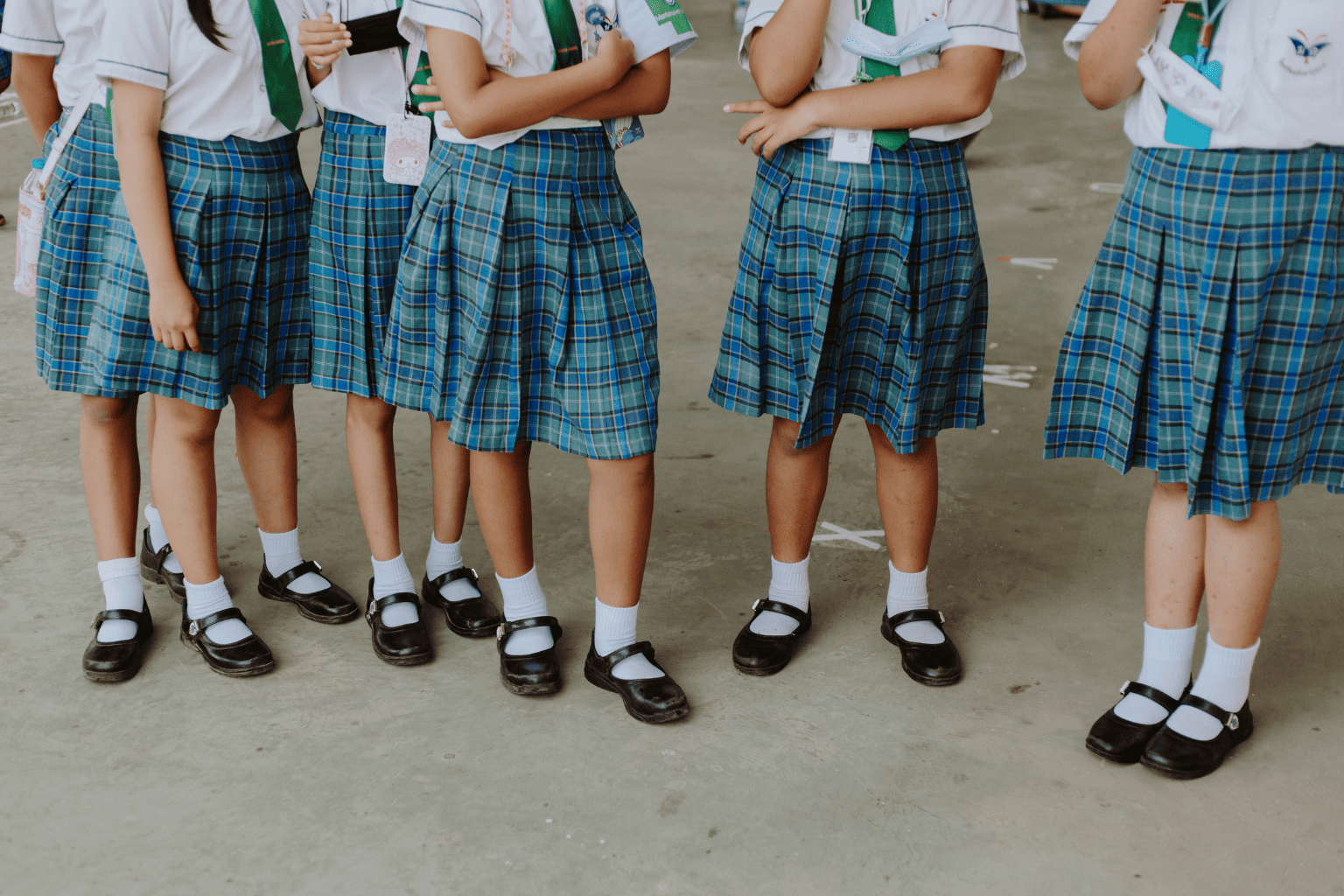
While school covers the basics of female reproductive health, and biology goes deeper into the endocrine system and female sex hormones like oestrogen and progesterone, the messaging does not quite hit home as it should. Understanding the biological make-up of one’s body is a tool that could be a game changer in the livelihood and wellbeing of every young woman. It is foundational knowledge, the kind that shapes how girls understand their bodies, advocate for themselves, and move through the world with confidence. Every young woman needs to be taught how her body works almost as much as we teach nutrition and other social skills. This foundational understanding plays a crucial role in demystifying the menstrual cycle and breaking down the myths and misconceptions that persist around female bodies. This is particularly true in African contexts, where periods are often labelled as unclean or burdensome. This knowledge reframes menstruation as what it truly is: a key signal of overall health and wellbeing.
Young women often operate without any navigational tools for the changes happening in their bodies, the functionality of their hormones, and how to interpret and decode what it truly means to be a woman. Instead, they are exposed to inconsiderate and uninformed messages flying around about their bodies, their moods, their emotions and their feelings. If schools made space to teach girls how hormonal shifts influence mood, energy, focus and even overall performance, far more girls would learn to approach themselves with empathy rather than confusion or self-judgement. If they understood that irritability and sadness are natural responses to different phases of the cycle, they could better tune into their bodies and advocate for their needs with clarity, not shame or fear.
Looking back at that moment in my maths class, greater awareness of my body, or knowledge of conditions such as fibroids and endometriosis, would have helped me see that what I was experiencing was not typical, and certainly nothing to blame myself for. With that understanding, my anxiety could have shifted into clarity, and my shame into empowerment.
Misconceptions, misinformation and silence around hormonal health have far-reaching consequences. Expecting girls to navigate critical stages of development without adequate knowledge or support undermines both their physical health and their mental wellbeing. Many endure their menstrual cycles with shame and discomfort, compounded by practical challenges: being unwell, lacking access to sanitary products, and having a limited understanding of their own bodies. For some, these barriers lead to absenteeism, as staying away becomes the only way to cope.
Moreover, the stigma surrounding menstruation is persistent, deepening embarrassment and driving disengagement. The current knowledge gap places girls at a disadvantage compared to their male peers, as their attention is often diverted from learning to managing unfamiliar and unsupported changes in their bodies. What’s needed is a clear, practical framework that helps young women understand and navigate these changes, enabling them to recognise natural hormonal patterns and distinguish them from symptoms of mental health challenges such as anxiety, body dysmorphia, depression and self-directed shame.
Integrating comprehensive, age-appropriate hormonal education into school curricula is a strategic investment in a generation of girls who can interpret their physical and emotional development accurately, respond to it with confidence, and engage with life from a place of understanding rather than uncertainty.
Ultimately, a girl who understands her hormones is better equipped to become the author of her own story. In a vulnerable period where changes such as hormonal acne or weight fluctuations can significantly impact self-esteem, the right knowledge reframes these experiences, shifting the narrative from confusion and self-blame to understanding and agency. These formal and informal lessons extend beyond the classroom, forming the foundation for lasting confidence, lifelong health, and the essential right to understand one’s own body.
In my own case, a lack of knowledge meant that much of my teenage years were marked by discomfort. I endured debilitating pain, believing that heavy bleeding and severe cramps were normal, and in doing so I missed the warning signs of conditions such as PCOS, endometriosis and uterine fibroids: diagnoses that only came later in my life.
When we fail to teach this, the cost is clear: lost opportunity, ongoing stigma and preventable harm. Girls should not be left to navigate their bodies in ignorance. They deserve the science, the language and the honesty. Their health is not a fringe issue or a cultural taboo; it is core human biology that demands attention and respect.
About the Author, Norleen Zulu

Norleen Zulu is an Own Your Hormones Advisory Member, an Education and Leadership Consultant, Child Mental Health Advocate, and Speaker with over two decades of experience shaping impactful education systems. She holds a Master’s degree from Liverpool John Moores University (UK) and works at the intersection of policy reform, systemic equity, and whole-child development.
She advises government bodies, institutions, and education stakeholders on data-driven strategies that improve learning outcomes, strengthen educator capacity, and build sustainable systems. Passionate about child wellbeing, she champions the integration of mental health, psychological safety, and social-emotional learning into education.
Her work is rooted in creating inclusive, future-fit environments that unlock human potential and drive meaningful, lasting change.